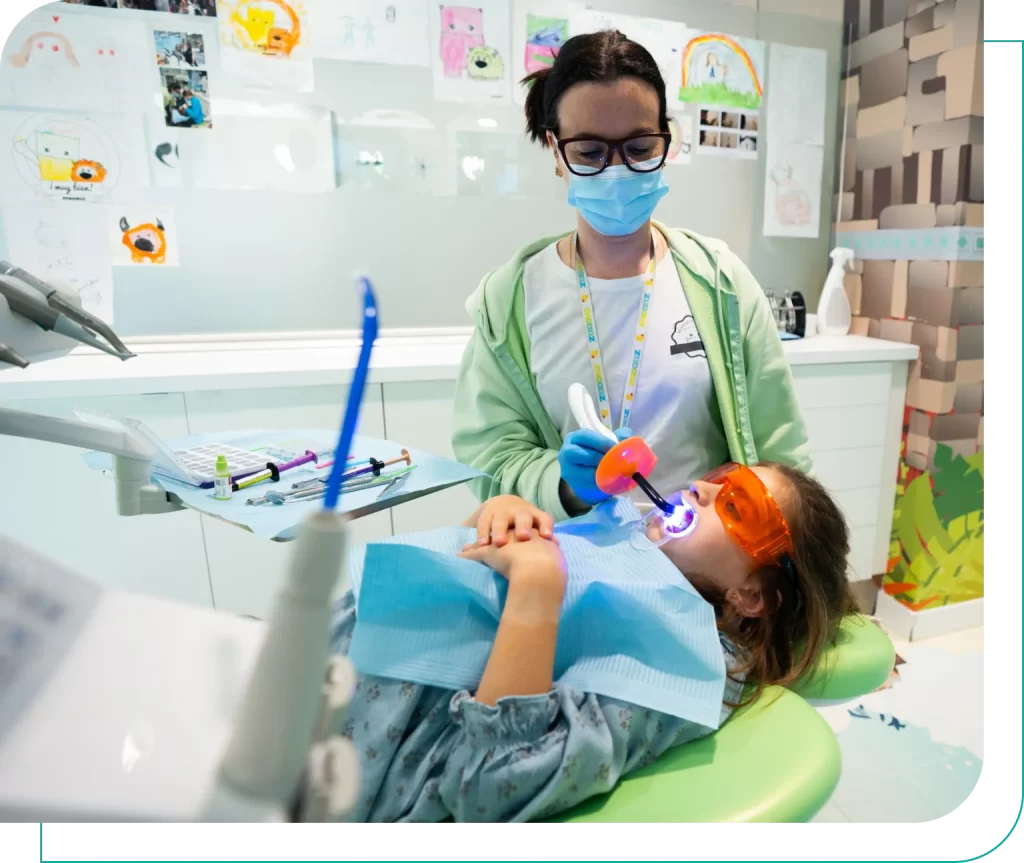
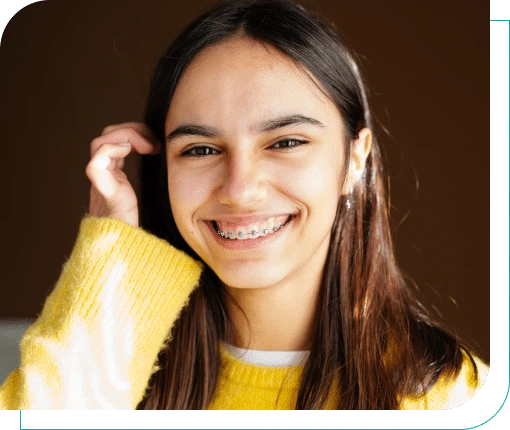
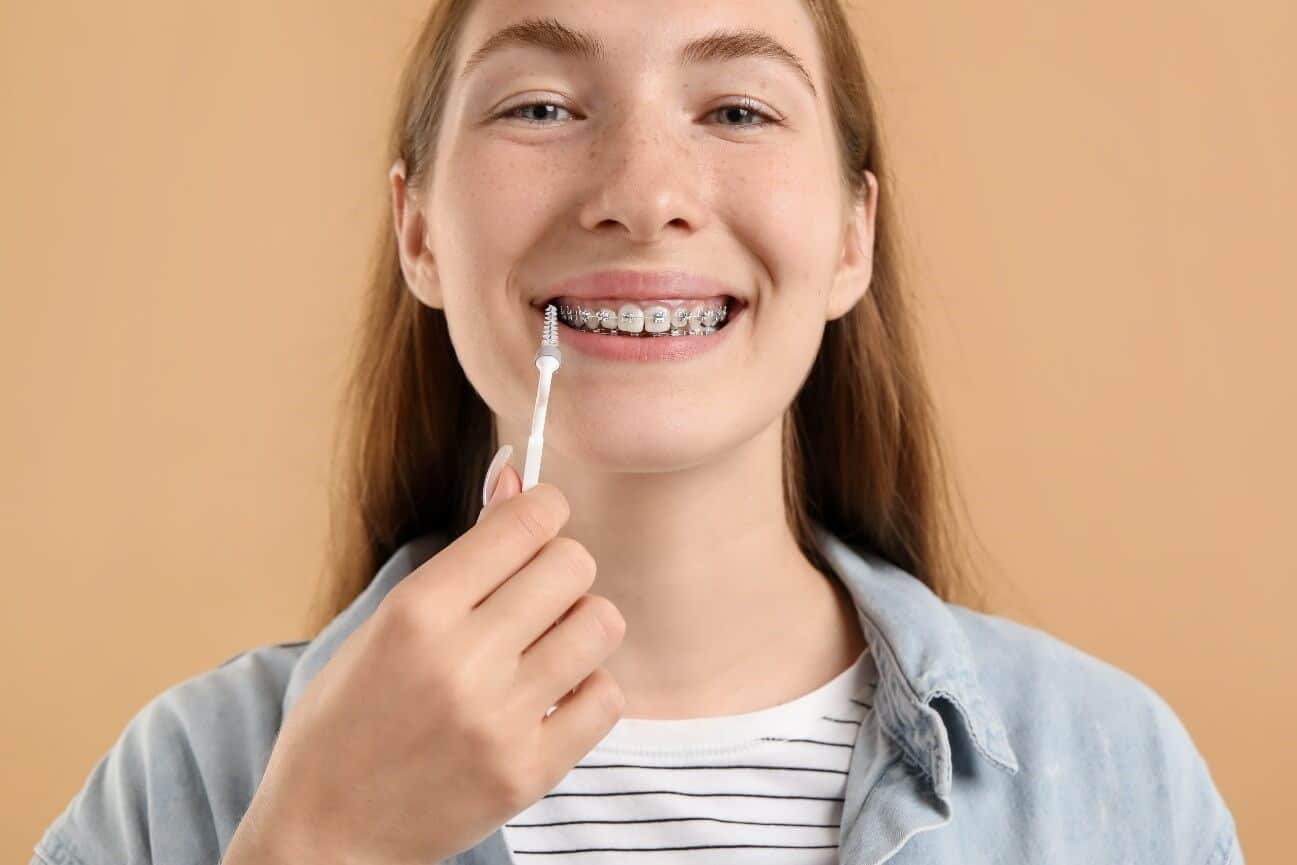
At Moonz Dental Clinics we are qualified in orthodontic treatment for children. Thus, aligning or straightening teeth by fitting young patients with braces is one of the most popular treatments.
Braces are the orthodontic system most often used for children who already have all their permanent teeth. In other words, their baby teeth have fallen out and their permanent teeth have fully emerged.
Tooth development is determined by different factors (genetic predisposition, events occurred during pregnancy, childhood habits, etc.). Therefore, it is common for children’s teeth to not emerge properly.
The result is that most children will require braces to treat the following conditions:
Normally braces are fitted at age 11 or 12. This age is not chosen by accident; the reason is that, in general, this is the age when children normally have all of their permanent teeth.
However, since dental development varies depending on the child, it is best to have the orthodontist determine the exact age at which braces should be fitted.
That said, we must take into account that the first visits to the orthodontist must take place before the age of six.
At this age, a series of maxillary bone irregularities can be detected, which will need to be corrected before fitting braces.
The most common types of braces for kids are:
Nowadays, metal braces are the most widely used for kids. This is due to the fact that metal braces are what have been traditionally used for many years now. And therefore, their efficacy has been demonstrated beyond all doubt.
Also, metal braces are offered at a cheaper price. And lastly, they have a feature that is very well liked by children: they can be combined with coloured rubber bands, making them fun and fashionable.
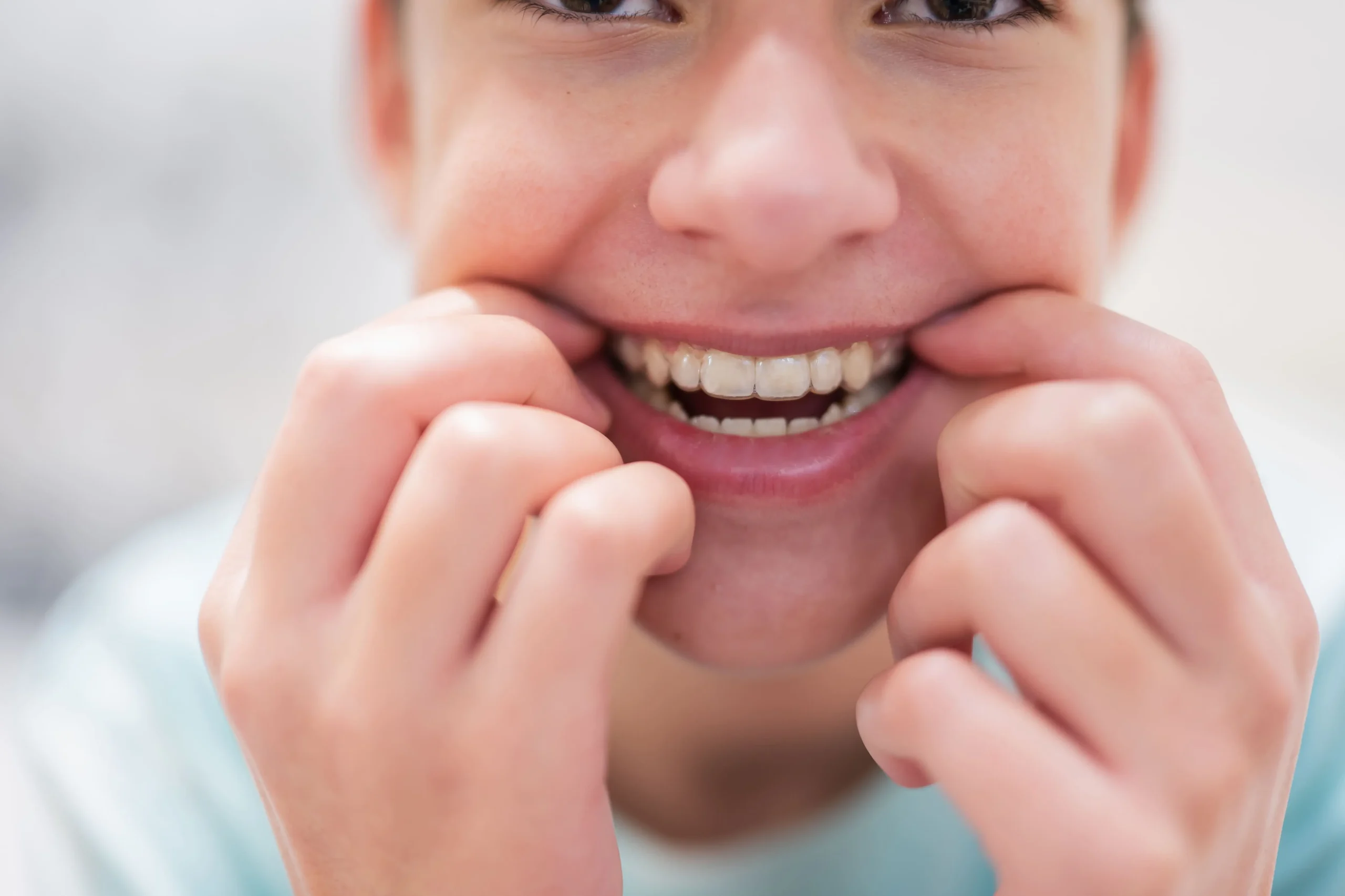
Aesthetic braces function just like the metal ones. However, these braces are not as noticeable to others, as they are transparent. Thus, aesthetic braces are designed for children that do not want to draw attention to their teeth.
Let’s not forget that at age 11 or 12, children are in the first phase of their teenage years, a period in which they are beginning to be concerned with their physical appearance. Because they are less noticeable when you smile, aesthetic braces are more expensive than the metal ones.
Lingual braces are 100% invisible, as they are installed on the inner side (lingual) of the teeth. Thus, they are designed for kids who want a device that does not affect their appearance in any way.
That said, lingual braces are recommended in two cases. On the one hand, for kids and teenagers who are very concerned with their physical appearance. And on the other hand, when the use of visible braces is not recommended (for example, in the case of child actors or models).

Professionals dedicated to orthodontics for over 15 years.
During the first days with your braces, it is normal for children to feel mild pressure or discomfort, but not pain; however, this sensation varies depending on each child’s tolerance thresholds.
The reason is that braces exert pressure on the teeth, and over time, slowly move teeth into the desired position. Most modern arches are heat sensitive; therefore, if pain is present, we recommend lowering the temperature of the mouth (by applying ice, eating ice cream, etc.).
Also, at first a child may feel irritation due to metal brackets and bands rubbing against tissue. To prevent this, we recommend applying a special orthodontic wax on the braces, which can be purchased at pharmacies.
On a positive note, all these feelings of discomfort tend to disappear over time as the child gets used to the braces. Normally, once this initial period has passed, braces feel comfortable and are painless.
While fitted with braces, we recommend children make some mild changes to their diet. The following foods should be avoided:
The main advantage of metal braces for children is that in the event of an impact, for example, while playing sports, the braces will become detached. This way we will immediately know it needs to be replaced.
Another more valued benefit of metal braces is its price. On the other hand, its major disadvantage is they are more noticeable and unsightlier.
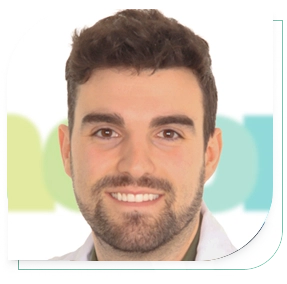
Doctor Rodrigo Villaverde has a Degree in Dentistry from Universidad de Salamanca and is specialised in Orthodontics and Dentofacial Orthopaedics by Hospital Universitario Fundación Jiménez Díaz. He is certified in the main clear orthodontic systems such as Invisalign and Spark. Also, he is a member of the Spanish Orthodontic Society (SEDO).